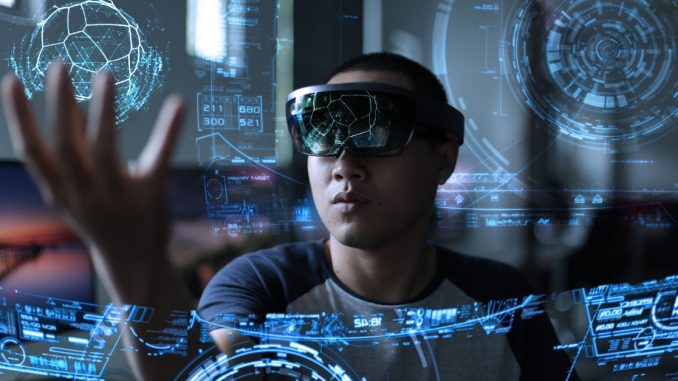
Technology is often thought of in terms of screens—smartphones, laptops, tablets, and the digital interfaces that dominate our daily lives. Yet the true impact of technology extends far beyond the devices we hold in our hands. The tangible effects of tech are woven into the fabric of society, influencing how we move, how we work, how we heal, and even how we interact with the physical world around us. To understand the full scope of technology’s power, it is essential to look past the screen and recognize the ways it shapes our environment and our future.
One of the most visible areas where technology manifests itself physically is in transportation. Smart systems embedded in vehicles and infrastructure are transforming mobility, making travel safer, faster, and more efficient. From autonomous cars to intelligent traffic management, technology is not just about digital dashboards but about reducing congestion, lowering emissions, and saving lives. The ripple effects are tangible: cleaner air, shorter commutes, and safer roads, all driven by innovations that operate quietly behind the scenes.
Healthcare provides another striking example of technology’s tangible impact. Advances in medical devices, robotics, and biotechnology are revolutionizing patient care. Wearable sensors monitor vital signs in real time, while AI-powered diagnostic tools assist doctors in detecting conditions earlier and more accurately. These innovations translate into longer lifespans, improved quality of life, and reduced healthcare costs. The benefits are not abstract; they are felt in the recovery of patients, the precision of surgeries, and the accessibility of treatments that were once unimaginable.
In the workplace, technology has reshaped the very nature of physical environments. Smart offices equipped with sensors and automation systems optimize energy use, adjust lighting and temperature, and enhance employee comfort. Robotics and advanced machinery in manufacturing plants increase efficiency and reduce workplace hazards. These changes are not confined to digital workflows but are evident in safer, more sustainable, and more productive physical spaces. The tangible impact is seen in reduced waste, lower energy bills, and healthier working conditions.
Agriculture, too, has been transformed by technology in ways that extend far beyond digital platforms. Precision farming techniques use sensors, drones, and data analytics to monitor soil health, water usage, and crop growth. Farmers can now make informed decisions that increase yields while conserving resources. The result is not just better data but healthier crops, reduced environmental impact, and more resilient food systems. Technology’s influence here is measured in the abundance of harvests and the sustainability of farming practices.
The tangible impact of technology is also evident in the way cities are evolving. Smart city initiatives integrate sensors, data platforms, and automation to improve urban living. Waste management systems that optimize collection routes, energy grids that balance supply and demand, and public safety networks that respond faster to emergencies all contribute to more livable cities. These changes are not confined to apps or dashboards; they are felt in cleaner streets, reliable utilities, and safer communities.
Even in the home, technology’s influence extends beyond screens. Smart appliances, connected thermostats, and automated lighting systems create environments that are more comfortable and energy-efficient. The physical impact is clear: reduced energy consumption, lower utility bills, and homes that adapt to the needs of their occupants. Technology here is not just about convenience but about sustainability and improved quality of life.
Education has also been reshaped in ways that go beyond digital learning platforms. Interactive classrooms equipped with augmented reality tools and connected devices create immersive experiences that bridge the gap between theory and practice. Students can engage with complex concepts in tangible ways, whether through simulations, experiments, or collaborative projects. The result is not just better engagement but deeper understanding and practical skills that prepare learners for real-world challenges.
The environment is another area where technology’s tangible impact is profound. Renewable energy systems, smart grids, and advanced recycling technologies are reducing humanity’s footprint on the planet. Wind turbines, solar panels, and energy storage solutions are not just digital innovations but physical infrastructures that generate clean power and reshape landscapes. The impact is visible in reduced carbon emissions, cleaner air, and a more sustainable future.
Supply chains and logistics illustrate how technology bridges the digital and physical worlds. Automated warehouses, robotics, and real-time tracking systems ensure that goods move efficiently from production to delivery. The tangible effects are faster shipping times, reduced errors, and more reliable access to products. For businesses, this translates into stronger customer satisfaction and leaner operations, while for consumers it means convenience and reliability.
The cultural impact of technology also extends into physical spaces. Museums, theaters, and public venues are incorporating digital tools to create immersive experiences that blend art, history, and innovation. Visitors can interact with exhibits in new ways, experiencing culture not just through screens but through enhanced physical environments. Technology enriches these spaces, making them more engaging and accessible to diverse audiences.
Technology’s tangible impact is equally evident in disaster response and resilience. Drones, sensors, and predictive analytics help communities prepare for and respond to natural disasters. These tools enable faster evacuations, more effective resource allocation, and quicker recovery efforts. The benefits are measured in lives saved, infrastructure preserved, and communities rebuilt more efficiently. Here, technology’s role is not abstract but deeply human and physical.
The journey of technology beyond the screen underscores its role as a force that shapes the world in concrete ways. It is not confined to digital interfaces but embedded in the systems, structures, and environments that define modern life. From healthcare and agriculture to cities and homes, technology’s influence is tangible, measurable, and transformative. It is felt in cleaner air, healthier bodies, safer roads, and more sustainable practices.
Ultimately, the true power of technology lies in its ability to bridge the digital and physical worlds. Screens may be the most visible symbol of innovation, but the real impact is found in the changes we experience in our daily lives. By looking beyond the screen, we can appreciate how technology is not just reshaping how we connect and communicate but how we live, work, and thrive in the physical world. This perspective reveals technology not as a distant abstraction but as a tangible force driving progress and shaping the future.