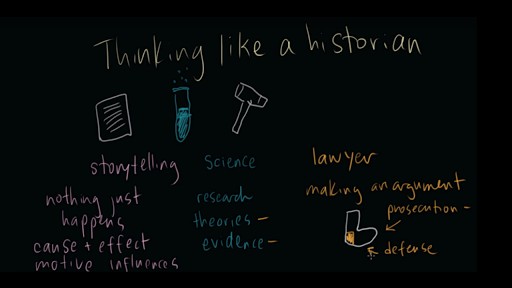
When people think about running a business, they often imagine forward-looking strategies, innovation, and anticipating the next big trend. Yet there is an overlooked perspective that can be surprisingly powerful: thinking like a historian. Historians are trained to examine patterns, interpret evidence, and understand how past events shape the present. Businesses that adopt this mindset gain a deeper appreciation for context, avoid repeating mistakes, and make decisions grounded in a broader understanding of cause and effect.
A historian does not simply collect facts; they interpret them, connect them, and ask why certain outcomes occurred. In business, this translates into looking beyond surface-level data and asking what forces truly drive customer behavior, market shifts, or organizational success. Rather than reacting impulsively to short-term changes, leaders who think historically pause to consider how similar situations unfolded before and what lessons can be drawn. This approach creates resilience, because decisions are informed by precedent rather than guesswork.
One of the most valuable aspects of historical thinking is the ability to recognize patterns. Markets, like societies, often move in cycles. Consumer preferences rise and fall, technologies disrupt industries, and regulatory environments shift. By studying how industries evolved in the past, businesses can anticipate how they might evolve again. For instance, companies that understand the history of technological adoption know that early enthusiasm is often followed by skepticism before mainstream acceptance takes hold. Recognizing these rhythms allows leaders to position themselves strategically rather than being caught off guard.
Historical thinking also emphasizes the importance of context. A decision that worked brilliantly in one era may fail in another because the surrounding conditions have changed. Historians are careful not to judge past actions without considering the circumstances in which they occurred. Businesses can benefit from the same discipline. When evaluating strategies, leaders should ask not only whether an idea succeeded elsewhere but also whether the conditions that made it successful are present today. This prevents the common mistake of copying competitors without understanding the unique factors that contributed to their success.
Another lesson from historians is the value of multiple perspectives. History is rarely a single narrative; it is a tapestry woven from different voices, experiences, and interpretations. Businesses that embrace this mindset are more likely to seek diverse viewpoints and challenge assumptions. Instead of relying solely on internal data or executive intuition, they look outward to customers, employees, and even critics to build a fuller picture. This habit of gathering and weighing different perspectives strengthens decision-making and fosters innovation.
Thinking like a historian also encourages humility. Historians know that even the most powerful leaders were constrained by forces beyond their control. In business, this translates into recognizing that no company operates in isolation. Economic trends, cultural shifts, and geopolitical events all influence outcomes. Leaders who acknowledge these external forces are better prepared to adapt when circumstances change. Rather than clinging to rigid plans, they remain flexible, understanding that history is full of examples where adaptability determined survival.
There is also a practical benefit in studying the failures of the past. Historians spend as much time analyzing missteps as they do triumphs, because mistakes often reveal more about human behavior than successes. Businesses that adopt this mindset are less likely to repeat costly errors. For instance, companies that examine why certain products flopped or why expansions failed can identify warning signs before making similar moves. This is not about dwelling on negativity but about using the past as a guide to avoid unnecessary risks.
At the same time, historical thinking highlights the importance of legacy. Historians understand that actions taken today will be judged tomorrow. Businesses that adopt this perspective think carefully about the long-term impact of their decisions. They consider how their brand will be remembered, how their relationships with customers will endure, and how their contributions will shape the industry. This sense of stewardship encourages ethical behavior and sustainable practices, because leaders recognize that they are writing the history of their company with every choice they make.
The historian’s mindset also nurtures storytelling. History is not just about dates and events; it is about narratives that make sense of complexity. Businesses that think historically learn to craft compelling stories about who they are, where they came from, and where they are going. These stories resonate with customers, employees, and investors because they provide meaning beyond transactions. A company that can articulate its journey in historical terms builds trust and loyalty, as people connect with the broader narrative rather than just the product.
Moreover, thinking historically helps businesses manage change. Historians study transitions—how societies moved from one era to another, how revolutions unfolded, how innovations reshaped daily life. Businesses face similar transitions, whether it is adopting new technologies, entering new markets, or responding to cultural shifts. By examining how change has been managed in the past, leaders can better prepare for the turbulence that accompanies transformation. They learn that resistance is natural, that adaptation takes time, and that successful transitions require both vision and patience.
There is also a discipline in the historian’s method that businesses can emulate. Historians rely on evidence, cross-check sources, and remain skeptical of easy conclusions. In business, this translates into rigorous analysis and a commitment to truth. Leaders who adopt this discipline are less likely to be swayed by hype or superficial trends. They demand evidence before making decisions, and they remain cautious about drawing conclusions too quickly. This rigor protects companies from impulsive moves and ensures that strategies are built on solid foundations.
Thinking like a historian does not mean living in the past. It means using the past as a lens to better understand the present and prepare for the future. Businesses that embrace this mindset gain a richer perspective, one that balances innovation with wisdom. They become more thoughtful, more resilient, and more capable of navigating complexity. In a world where change is constant, the ability to see beyond the immediate moment is a powerful advantage.
Ultimately, the historian’s mindset reminds us that business is not just about profit margins or quarterly results. It is about people, relationships, and the unfolding story of how organizations contribute to society. By thinking like a historian, leaders can elevate their perspective, making decisions that honor the past, respond to the present, and shape a future worth striving for. This approach not only strengthens companies but also ensures that their impact endures long after the immediate challenges have passed.